
Introduction
A well-maintained lawn and garden is more than just a patch of green around your house. It’s a long-term investment in your property, your comfort, and your lifestyle.
In 2026, homeowners are paying closer attention to outdoor spaces than ever before. A healthy lawn improves curb appeal, increases property value, reduces soil erosion, and creates a relaxing space for family life. A thoughtfully designed garden enhances aesthetics, supports biodiversity, and can even reduce cooling costs in summer.
This complete guide covers everything you need to know about lawn and garden care:
- Lawn maintenance fundamentals
- Seasonal care strategies
- Fertilization and soil health
- Irrigation systems and water management
- Garden design essentials
- Organic and eco-friendly methods
- Tools and equipment
- DIY vs professional services
- Costs and budget planning
Whether you’re a beginner or looking to optimize your outdoor space, this pillar guide will help you build a healthier, greener, and more valuable property.
Table of Contents
🌱 Understanding Lawn & Garden Basics
What Is Lawn Care vs Garden Care?
Although often grouped together, lawn care and garden care serve different purposes:
- Lawn care focuses on grass health — mowing, fertilizing, watering, aeration, weed control, and pest management.
- Garden care involves flower beds, shrubs, trees, vegetables, and landscaping elements such as mulch, edging, and decorative plants.
Both require soil management, proper watering, and seasonal planning — but their maintenance routines differ significantly.
Key Components of a Healthy Lawn
Soil Health
Healthy grass starts below the surface. Soil structure, nutrient levels (nitrogen, phosphorus, potassium), and pH balance determine how well your lawn grows.
Regular soil testing helps identify deficiencies and guides fertilization strategies.
Grass Type
Choosing the right grass for your climate is critical:
- Cool-season grasses (e.g., fescue, Kentucky bluegrass)
- Warm-season grasses (e.g., Bermuda, zoysia)
Matching grass type to temperature and sunlight conditions improves drought tolerance and reduces maintenance needs.
Water Management
Overwatering is as harmful as underwatering. Lawns typically need about 1–1.5 inches of water per week, including rainfall.
Efficient irrigation prevents shallow roots and fungal disease.
Sun Exposure
Grass varieties differ in shade tolerance. If your yard has large trees or structures blocking sunlight, choose shade-adapted turf varieties.
Maintenance Routine
A consistent schedule for mowing, fertilizing, aeration, and weed prevention keeps your lawn thick and resilient.
Common Lawn & Garden Problems Homeowners Face
Weeds
Crabgrass, dandelions, and broadleaf weeds compete for nutrients and sunlight.
Bare Patches
Often caused by foot traffic, pests, or poor soil quality.
Yellow Grass
Usually linked to nutrient deficiencies, overwatering, or compacted soil.
Pests
Grubs and insects damage root systems.
Drainage Issues
Poor grading or compacted soil leads to water pooling and root rot.
🌿 Seasonal Lawn & Garden Care Calendar
Seasonality plays a major role in effective lawn and garden maintenance.
Spring Lawn Care Checklist
- Apply pre-emergent weed control
- Fertilize to encourage growth
- Aerate compacted soil
- Overseed thin areas
Spring sets the foundation for the entire year.
Summer Lawn Maintenance Guide
- Water early in the morning
- Raise mowing height to protect roots
- Monitor drought stress
- Avoid heavy fertilization during extreme heat
Fall Lawn Preparation
- Core aeration
- Apply fall fertilizer
- Remove fallen leaves
- Overseed cool-season grasses
Fall is the best time for root development.
Winter Lawn Protection Tips
- Avoid walking on frozen grass
- Prevent soil compaction
- Clear debris to reduce snow mold
Even dormant lawns require care.
🌾 Lawn Care Fundamentals
How Often Should You Mow Your Lawn?
Most lawns require mowing once per week during peak growth. Never remove more than one-third of the grass blade at once.
What Is the Ideal Grass Cutting Height?
- Cool-season grasses: 2.5–4 inches
- Warm-season grasses: 1–3 inches
Higher mowing promotes deeper roots and better drought resistance.
Lawn Fertilization Guide (NPK Explained)
Fertilizers contain three primary nutrients:
- Nitrogen (N): promotes green growth
- Phosphorus (P): strengthens roots
- Potassium (K): enhances stress resistance
Understanding NPK ratios ensures balanced feeding.
Lawn Aeration vs Dethatching: What’s the Difference?
- Aeration removes soil plugs to reduce compaction.
- Dethatching removes built-up organic debris.
Both improve oxygen and nutrient absorption.
Weed Control: Organic vs Chemical Methods
Chemical herbicides provide quick results but may affect soil life. Organic methods focus on prevention, soil health, and manual removal.
Repairing Bare or Yellow Spots
- Loosen soil
- Add compost
- Reseed
- Water consistently
Consistency is key to recovery.
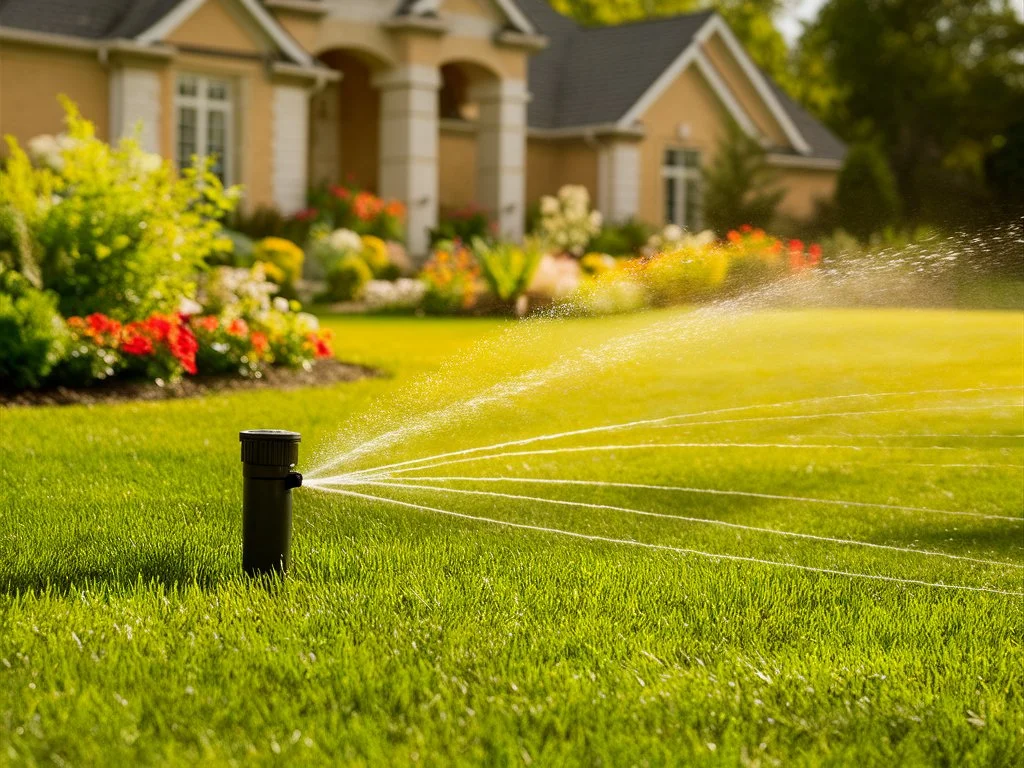
💧 Lawn Irrigation & Water Management
How Often Should You Water Your Lawn?
Deep, infrequent watering encourages strong roots. Typically 1–2 times per week.
Sprinkler Systems vs Drip Irrigation
- Sprinkler systems cover large areas efficiently.
- Drip irrigation works best for garden beds and shrubs.
Modern smart irrigation systems reduce water waste.
Signs of Overwatering
- Mushy soil
- Fungal growth
- Shallow roots
- Yellowing grass
Water-Saving Lawn Techniques
- Use drought-tolerant grass
- Install rain sensors
- Water early morning
- Improve soil with compost
🌼 Garden Care & Landscaping Essentials
Designing a Low-Maintenance Garden
Use native plants, mulch beds, and limit high-water species.
Best Plants for Beginners
- Lavender
- Hostas
- Daylilies
- Herbs like rosemary and basil
Raised Beds vs In-Ground Gardens
Raised beds offer better drainage and soil control. In-ground gardens are cost-effective for larger areas.
Drought-Tolerant Plants for Modern Homes
Succulents, ornamental grasses, and native shrubs reduce irrigation needs.
Mulching & Soil Improvement
Mulch conserves moisture, suppresses weeds, and improves soil health over time.
🌍 Eco-Friendly & Organic Lawn Care
Organic Lawn Fertilizers
Compost, manure-based blends, and natural slow-release products build long-term soil health.
Natural Weed Control Methods
- Corn gluten meal
- Manual removal
- Vinegar-based sprays
Safe Lawn Care for Pets & Kids
Avoid harsh chemicals. Choose labeled pet-safe treatments.
Sustainable Landscaping Ideas
- Rain gardens
- Native plant zones
- Reduced turf areas
🛠 Essential Lawn & Garden Tools
Must-Have Lawn Mowing Equipment
- Push mower or riding mower
- Edger
- String trimmer
Best Gardening Tools for Homeowners
- Hand trowel
- Pruners
- Garden fork
- Watering hose
Manual vs Electric vs Gas Tools
Electric tools offer lower noise and maintenance. Gas tools provide more power for large properties.
Tool Maintenance Guide
- Sharpen mower blades annually
- Clean tools after use
- Store equipment in dry areas
Proper maintenance extends lifespan and improves performance.
💼 DIY vs Professional Lawn Services
When Should You Hire a Lawn Care Service?
- Large properties
- Severe weed infestations
- Complex irrigation systems
- Limited personal time
Average Cost of Lawn Services
Costs vary by region and lawn size, typically ranging from $30–$80 per visit for mowing.
What’s Included in Lawn Maintenance Packages?
- Mowing
- Edging
- Fertilization
- Weed control
- Seasonal cleanup
How to Choose a Reliable Lawn & Garden Company
Look for:
- Licensed and insured providers
- Transparent pricing
- Positive reviews
- Clear service contracts
📊 Lawn Care Costs & Budget Planning
Monthly Lawn Care Costs
Small lawns: $100–$200/month
Large lawns: $300+/month
Irrigation Installation Costs
Basic systems may start around $1,500–$3,000 depending on size.
Landscaping Design Costs
Professional design services vary widely depending on complexity.
How to Save Money on Lawn Care
- DIY basic tasks
- Buy tools during seasonal sales
- Improve soil to reduce fertilizer use
- Install water-efficient irrigation
❓ Frequently Asked Questions
How often should you mow your lawn?
Typically once per week during peak growing season.
When is the best time to fertilize?
Spring and fall for cool-season grasses; late spring and summer for warm-season grasses.
Is organic lawn care effective?
Yes, especially when combined with strong soil management.
How do I fix dead grass spots?
Loosen soil, reseed, and water consistently.
How much does professional lawn care cost?
Most homeowners spend between $100–$400 per month depending on services.
Can lawn care increase property value?
Yes. Well-maintained landscaping can significantly improve curb appeal and resale value.
From this pillar, link strategically to:
- Lawn fertilization guide
- Lawn aeration guide
- Organic lawn care guide
- Irrigation system guide
- Landscaping cost guide
- Best grass types for hot climates
- DIY weed removal guide
Final Thoughts
Mastering lawn and garden care requires consistency, knowledge, and smart planning. Whether you choose a DIY approach or hire professionals, building a healthy outdoor space enhances both your home’s beauty and long-term value.
With the right structure, tools, and seasonal strategy, your lawn and garden can thrive year after year.